
How to Compare Wholesale Lab-Grown Diamonds and Choose the Right Manufacturer in India
Choosing a wholesale lab-grown diamond supplier is an important decision for jewellery retailers, diamond wholesalers, manufacturers and private-label brands. The right sourcing partner should provide clearly specified diamonds, transparent grading documentation, consistent quality and dependable commercial terms.
India is an important destination for diamond processing and jewellery production, and Surat, Gujarat, is widely recognised for its diamond cutting and polishing expertise. For international buyers, working with a suitable manufacturer or supplier in Surat can create opportunities to source loose diamonds and finished jewellery according to specific business requirements.
However, not every supplier performs the same manufacturing operations. Some businesses specialise in growing rough diamonds, others focus on cutting and polishing, and others supply polished stones or manufacture finished jewellery.
This guide explains how to compare wholesale lab-grown diamonds, evaluate a lab grown diamond manufacturer in Surat India, verify grading reports and assess a supplier for long-term international business.
Why Wholesale Buyers Source Lab-Grown Diamonds from India
India has an established diamond-processing and jewellery-production ecosystem. Surat is particularly associated with diamond cutting and polishing, making it a relevant location for buyers evaluating diamond and jewellery suppliers.
For a wholesale buyer, the value of a supplier depends on its actual capabilities rather than its location alone.
Before selecting a manufacturer, understand which of the following services it provides:
- Rough diamond processing and cutting
- Diamond polishing and finishing
- Wholesale supply of loose lab-grown diamonds
- Matched pairs and calibrated melee
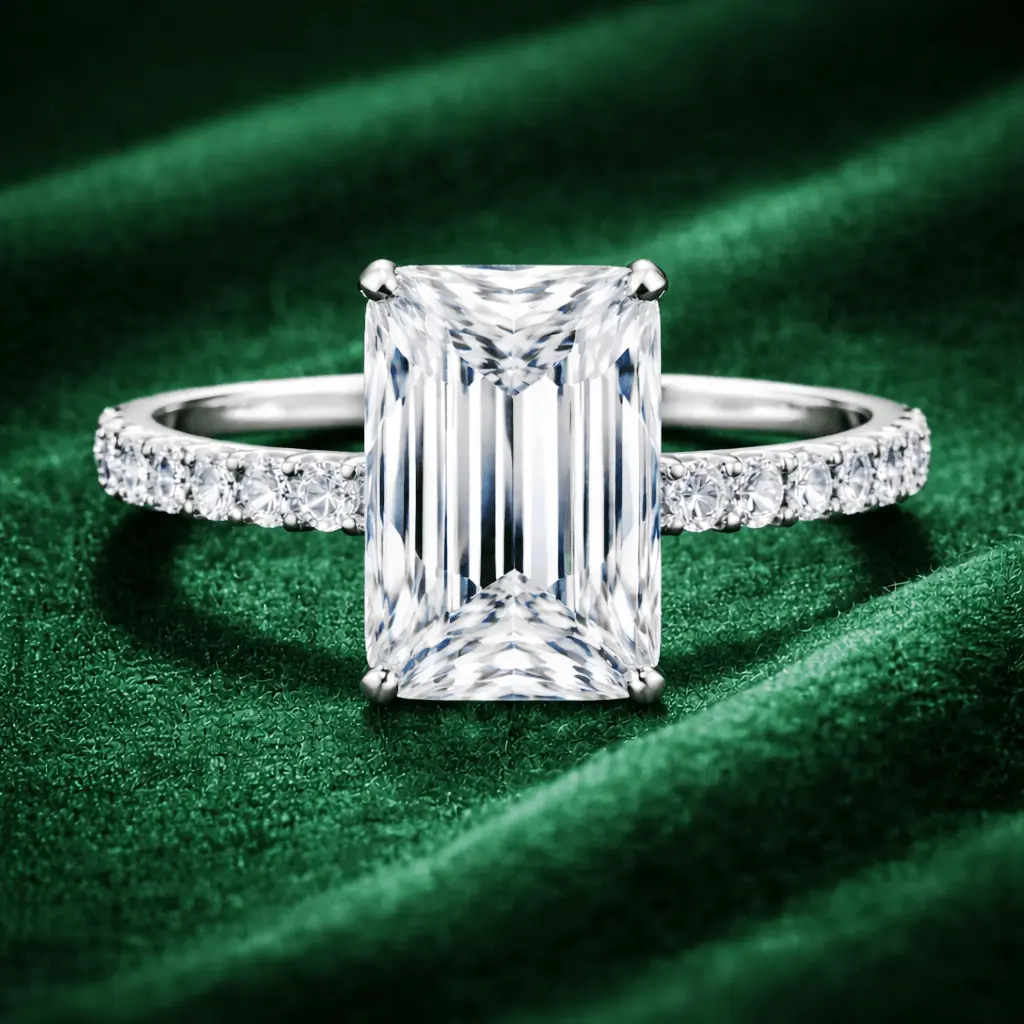
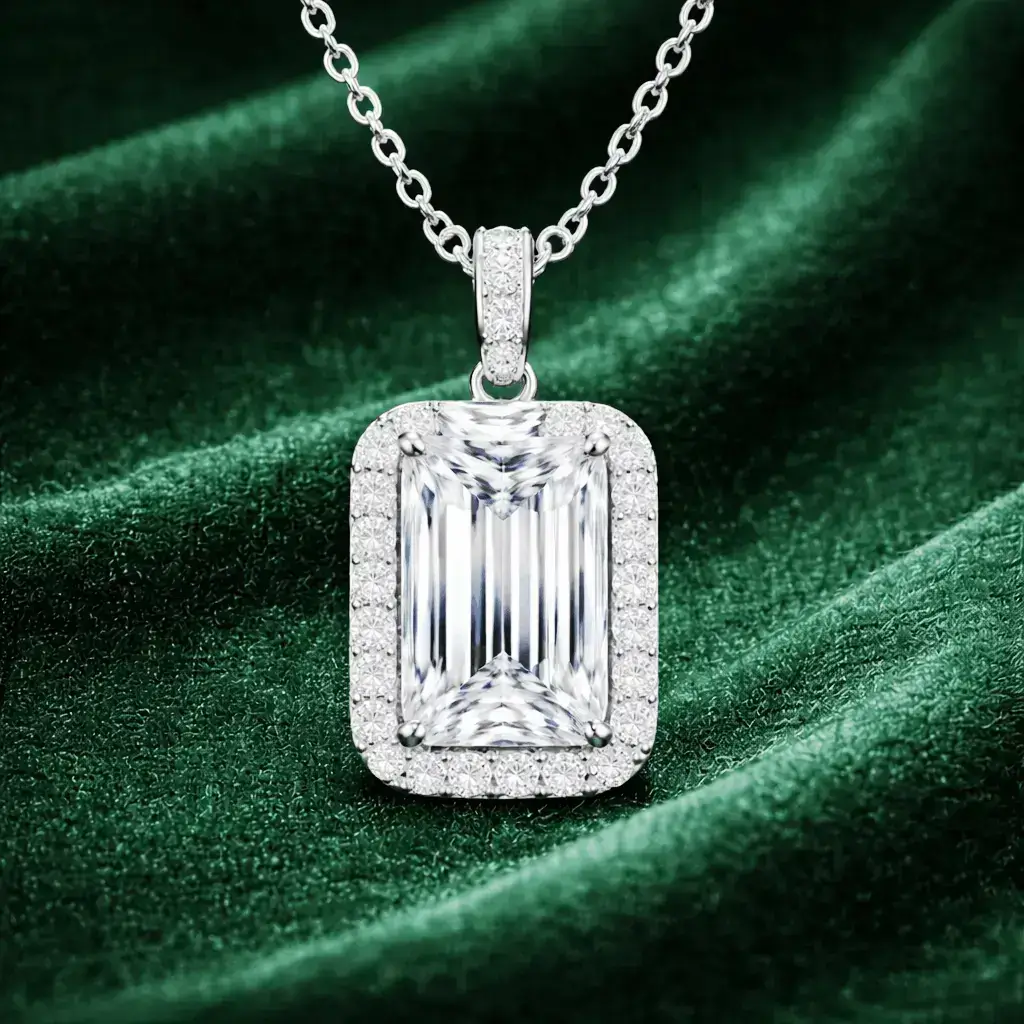
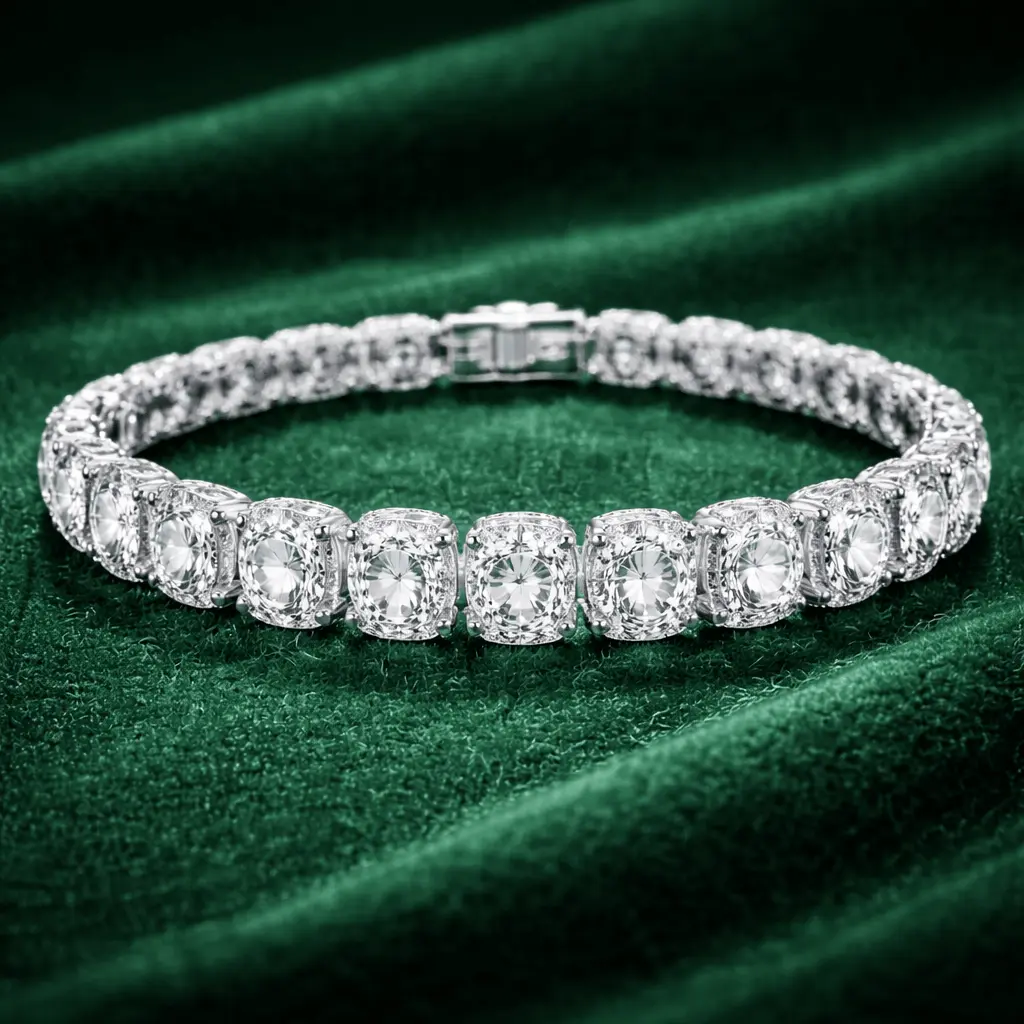
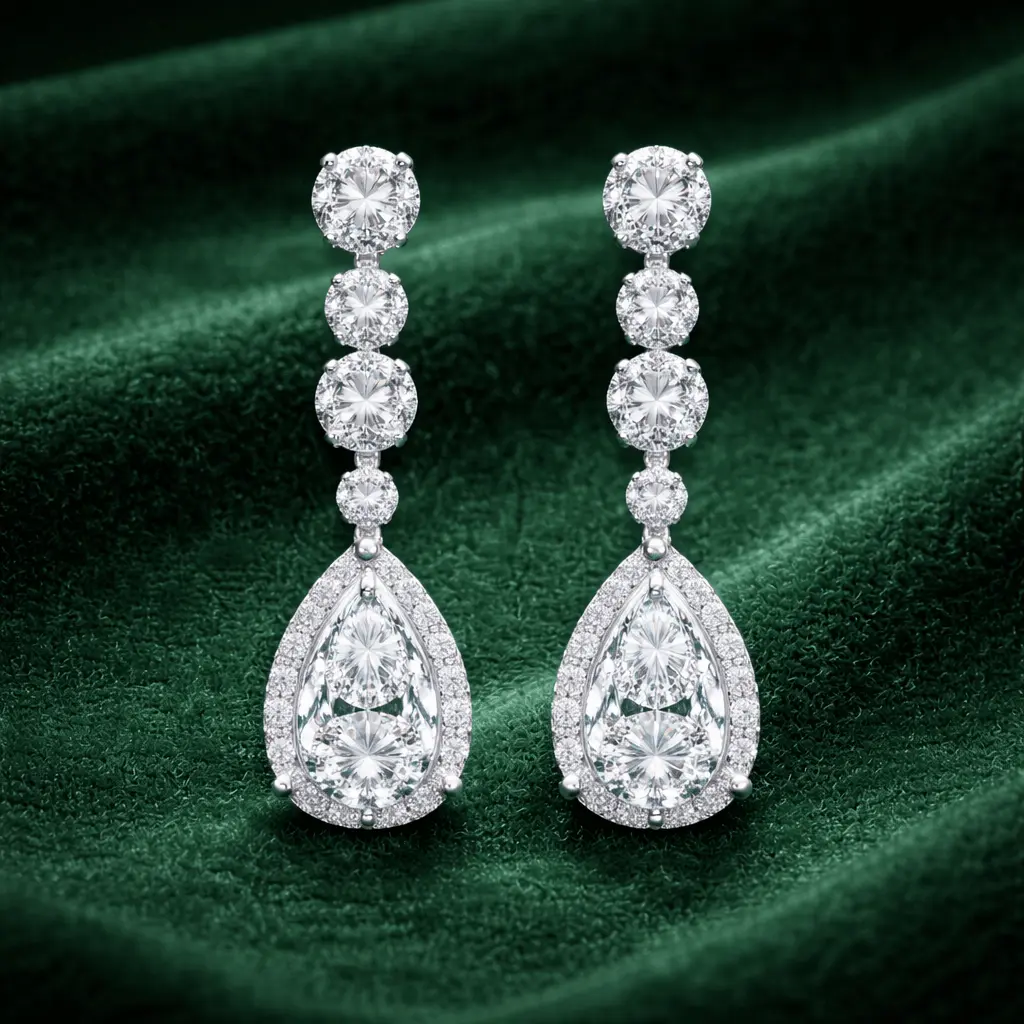
- Custom diamond jewellery manufacturing
- OEM and private-label production
- Export documentation and shipping coordination
A company may provide several of these services or specialise in just one. Confirm which stages are performed in-house and which are supplied through production partners.
How to Choose a Lab Grown Diamond Manufacturer in Surat India
When evaluating a lab grown diamond manufacturer in Surat India, use a consistent checklist covering product specifications, manufacturing transparency, grading documentation and repeat-order capability.
1. Verify the supplier’s actual manufacturing capabilities
Start by asking whether the supplier grows laboratory-grown diamonds, cuts and polishes stones, purchases polished inventory from other producers or manufactures finished jewellery.
If a company offers CVD or HPHT diamonds, ask which growth method applies to the stones being quoted and whether the supplier performs the growth process itself.
This distinction matters because a direct grower, a diamond-processing business and a wholesale distributor may offer different commercial terms and production timelines.
Request relevant evidence, such as production photographs, sample specifications, inspection procedures or a facility visit where appropriate.
2. Specify the diamond before comparing prices
A useful quotation must describe the actual stone or parcel being offered. Avoid comparing suppliers using only phrases such as premium quality, excellent brilliance or best price.
For loose diamonds, specify:
- Shape and cutting style
- Carat weight and acceptable weight range
- Colour and clarity grades
- Measurements and proportions
- Cut, polish and symmetry information where applicable
- Grading report requirements
- CVD or HPHT growth method where relevant
- Available quantity and delivery requirements
For fancy shapes, measurements and length-to-width ratios may be particularly important because two diamonds of identical carat weight can have different face-up appearances.
For matched pairs or calibrated melee, clarify dimensional tolerances and the level of consistency expected across the parcel.
3. Understand CVD versus HPHT diamonds
Chemical Vapor Deposition (CVD) and High Pressure High Temperature (HPHT) are two established methods of producing laboratory-grown diamonds.
CVD involves diamond growth in a controlled environment using carbon-containing gases. HPHT uses high pressure and high temperature to create conditions for diamond growth.
Neither method automatically guarantees superior quality. The finished diamond’s characteristics, including colour, clarity, proportions, cut and visible appearance, must be evaluated individually.
For wholesale purchases, ask the supplier to disclose the growth method where known and provide available information about post-growth treatments. Check the applicable grading report rather than relying entirely on verbal assurances.
4. Verify diamond grading reports
Independent grading documentation helps buyers assess the characteristics of an individual diamond.
Depending on the laboratory and report type, documentation may include shape, measurements, colour, clarity, carat weight, origin identification and relevant comments about the growth method or treatments.
When buying certified lab-grown diamonds:
- Request the report number for the exact stone where a report is available.
- Verify the report through the issuing laboratory’s official verification service.
- Match the report with the physical stone using the available identification details.
- Confirm that the invoice accurately describes the diamond as laboratory-grown.
- Check relevant treatment disclosures and report limitations.
- Retain the report and agreed specification with the purchase record.
A grading report does not certify the supplier’s entire inventory, factory or commercial reliability. Evaluate the diamond and the supplier separately.
For parcels of small diamonds, clarify whether independent reports are available for individual stones or whether the quotation relies on parcel specifications and agreed quality controls.
How to Compare Wholesale Lab-Grown Diamond Prices
Price per carat is useful, but it is not sufficient on its own. Two quotations may differ because of the actual diamond specifications, dimensions, grading documentation, stock availability and quality requirements.
Use the same written request when approaching every supplier.
| Comparison factor | What to confirm |
|---|---|
| Diamond quality | Shape, carat, colour, clarity and relevant cut information |
| Dimensions | Exact measurements and tolerances |
| Documentation | Grading laboratory and report verification, where applicable |
| Growth information | CVD or HPHT where known and relevant |
| Availability | Ready stock or production required |
| Commercial terms | Unit price, total price, currency and payment terms |
| Delivery | Production time, dispatch estimate and shipping arrangements |
| Quality resolution | Inspection, discrepancies, returns or replacement terms |
For finished jewellery, compare the diamond cost separately from metal, CAD, casting, setting, finishing, packaging and shipping wherever possible.
The best-value supplier is the one that meets the required specification and commercial terms reliably, not automatically the one offering the lowest initial price.
What Wholesale Buyers Should Check Before Placing a Bulk Order
A successful sample does not automatically prove that every future order will have identical characteristics. Buyers should establish a process for approving samples and checking delivered goods.
Inspect representative samples
Review actual stones or finished jewellery under suitable lighting. Check measurements, visible inclusions, colour appearance, symmetry and the consistency of matched stones.
For finished jewellery, examine the setting, prong alignment, stone security, polish, metal finish and conformity with the approved design.
Agree on acceptable tolerances
Written specifications help prevent disagreements about weight, dimensions, colour matching, metal weight and finishing quality.
Confirm repeat-order availability
If the product is part of a permanent jewellery collection, discuss how future orders will be matched to the approved specification.
Document delivery and quality terms
Clarify the inspection period, shortage reporting, damaged-shipment procedure, agreed remedies and the party responsible for shipping and insurance.
These steps help make wholesale sourcing more predictable and provide a clearer basis for evaluating long-term supplier performance.
Custom and Private-Label Lab-Grown Diamond Jewellery
Many jewellery brands require finished products rather than loose diamonds. In this case, the supplier must understand both the diamond specification and the design requirements of the final piece.
A well-prepared manufacturing request should include the design reference or CAD file, metal type and purity, diamond shapes and sizes, setting method, finished dimensions, branding and packaging requirements.
Before confirming production, ask about:
- CAD development and revisions
- Physical sample approval
- Metal and stone specifications
- Setting quality and finishing standards
- Minimum order quantities
- Design and CAD ownership
- Production timelines
- Export packaging and documentation
If the design is commercially important, put ownership and permitted reuse of CAD files, drawings and tooling in writing.
The suitability of a private-label manufacturer depends on its actual capabilities and whether it can meet your design, quality and production requirements. Confirm the relevant services before committing to a bulk order.
Reeva Rare: Lab-Grown Diamond and Jewellery Manufacturing in Surat
Reeva Rare’s public website presents services relating to lab-grown diamonds, CVD diamond manufacturing, diamond cutting and polishing, and lab-grown diamond jewellery manufacturing.
For wholesale buyers, retailers and jewellery brands, the next step is to identify the exact product required and confirm the applicable sourcing and manufacturing arrangements.
Explore the relevant Reeva Rare pages:
- Lab-Grown Diamond Manufacturer in Surat, India
- CVD Diamond Manufacturer in Surat, India
- Lab-Grown Diamond Jewellery Manufacturer
- About Reeva Rare
- Contact Reeva Rare
When requesting a quotation, provide the diamond specifications, quantity, grading-report requirements, destination market and delivery expectations. For finished jewellery, include the design reference, metal specification, stone-setting requirements and target production quantity.
Confirm whether each stage is performed directly by Reeva Rare or through production partners, along with the available documentation, price, lead time and quality terms for the specific order.
A clear specification and written quotation provide a better foundation for a lasting supplier relationship than a general enquiry for the cheapest diamonds.
Conclusion: Choosing the Right Wholesale Lab-Grown Diamond Supplier
Successful diamond sourcing requires more than comparing prices. The most useful evaluation combines exact specifications, verified grading information, manufacturing transparency, sample inspection and written commercial terms.
For buyers researching a lab grown diamond manufacturer in Surat India, the priority should be finding a supplier whose actual capabilities match the required diamonds or jewellery products and whose processes can support consistent future orders.
Reeva Rare invites diamond wholesalers, retailers, jewellery brands and private-label businesses to discuss their diamond and jewellery requirements through its official website.
Explore Reeva Rare or contact the team about your sourcing requirements.
Frequently Asked Questions
1. How do I choose a wholesale lab-grown diamond supplier in India?
Compare suppliers using identical diamond specifications, verify available grading reports, inspect representative samples, confirm production responsibilities and agree on written payment, delivery and quality-resolution terms.
2. How can I evaluate a lab grown diamond manufacturer in Surat India?
Ask which manufacturing operations the company performs in-house, whether diamonds are grown or sourced from other producers, what grading documentation is available, and how quality is checked. Request a sample, a comparable quotation and evidence relevant to the capabilities being offered.
3. Is CVD better than HPHT when buying wholesale lab-grown diamonds?
Neither method automatically produces a better finished diamond. Compare each stone’s characteristics, proportions, visual appearance and grading documentation. Ask the supplier to disclose the growth method and any relevant treatment information where available.
4. What should I check before importing wholesale lab-grown diamonds from India?
Confirm the invoice and diamond descriptions, grading documentation, quantities, agreed quality specifications, payment terms, shipping insurance, export documents and destination-country requirements. Agree in advance on the procedure for shortages, damaged shipments or discrepancies.
5. Can Reeva Rare help with custom lab-grown diamond jewellery for international brands?
Reeva Rare’s public website lists lab-grown diamond jewellery and jewellery manufacturing services. Share your design, metal specifications, diamond requirements, quantity and destination market so the team can confirm the applicable production options, documentation, pricing and delivery terms for your order.